
Supplementing with organic acids affects the efficiency of nutrient absorption and digestibility in pigs and broilers.
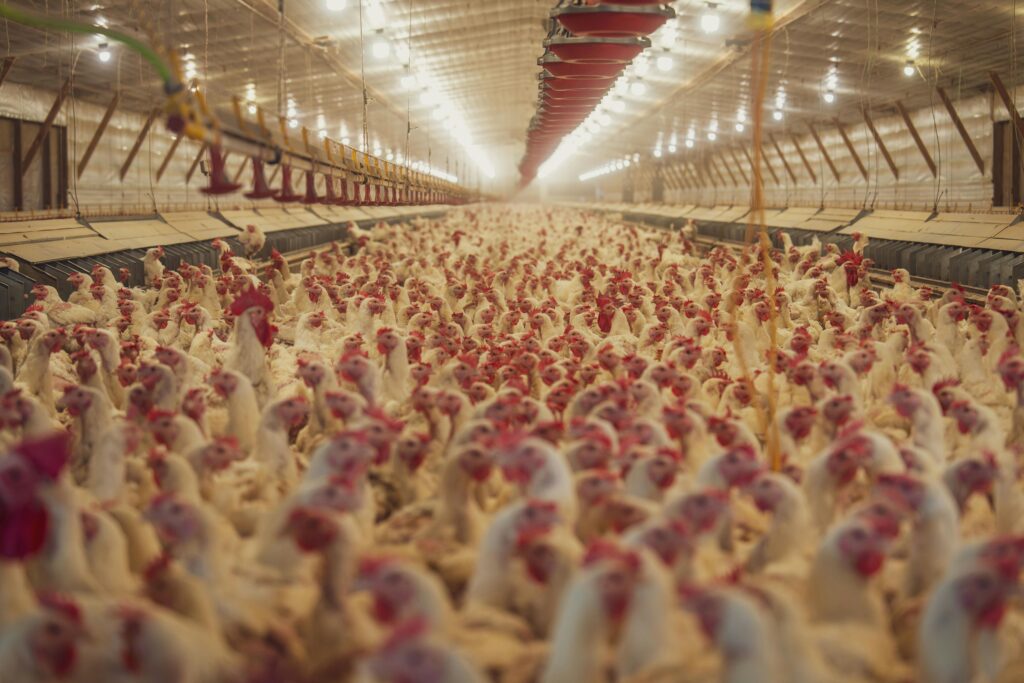
To improve nutritional digestion and absorption efficiency, organic acid supplements are frequently utilized in the diet of pigs and poultry. By lowering the pH of the gastrointestinal tract, these acids—such as citric, lactic, and formic acid—create an environment that inhibits harmful bacteria and favors good microbial populations (Davis et al., 2013). The digestion of nutrients, especially proteins and carbs, is enhanced when the pH of the stomach is lowered because this promotes enzymatic activity (Gadde et al., 2017). Better mineral absorption is made possible by organic acids, which also improve the solubilization of minerals including calcium and phosphorus (Li et al., 2018). Due to better nutrient usage, supplementation has been demonstrated to enhance feed conversion ratios and growth performance in broilers (Khan et al., 2019). According to Ramalho et al. (2015), organic acids have also been shown to increase the digestibility of crude protein and energy in pigs, which in turn promotes faster development rates.Organic acids’ antibacterial properties indirectly increase nutrient intake by lowering the intestinal pathogen burden, which would otherwise hinder nutrient absorption (Mroz et al., 2010). Additionally, organic acids may affect the intestinal mucosa’s structure and function by enhancing its surface area for absorption (Selle et al., 2016). They can also alter the composition of the gut microbiota, favoring good bacteria that aid in the fermentation and absorption of nutrients (Gao et al., 2019). Supplementing broilers and pigs with organic acids seems to greatly improve their nutritional digestibility and absorption efficiency, which improves growth performance and feed efficiency (Yin et al., 2020).
Promois International (www.promoisinternational.org) is a well-known producer of blends of encapsulated organic acids.
Proudly powered by Promois International